When something goes wrong on the road, dangerous situations can escalate in an instant. Experience drivers often notice the first signs of trouble — from aggressive motorists to potential cargo theft or staged accidents — long before the incident unfolds.
In those moments, they don’t have time to make a call, explain the situation, or hope someone witnessed what really happened. They need an instant way to alert their fleet team and capture vital evidence.
That’s where the in-cab panic button becomes one of the most valuable safety features your fleet can have. Far more than a simple alert, it triggers a chain of protective actions designed to safeguard drivers, capture crucial evidence, and help prevent major losses for your business.
Drivers need immediate support
Today’s drivers face more risks than ever before. Crash-for-cash scams are becoming more sophisticated, often involving coordinated vehicles and staged behavior designed to falsely place blame on commercial drivers. But that’s only one part of the threat.
Cargo theft is now a multi-billion-euro problem globally. Thieves increasingly target vehicles on the move, using intimidation, forced stops, or aggressive driving to unsettle drivers and create opportunities to access valuable goods. In many cases, criminals shadow a vehicle for several miles, looking for the perfect moment to strike. Drivers know this all too well — and many report feeling unsafe or isolated when they sense something isn’t right.
A panic button gives them back control. Instead of feeling alone in a tense situation, they have a direct, immediate lifeline to their fleet team. That reassurance alone can dramatically reduce stress and increase confidence, especially for drivers on night routes or carrying high-value loads.
How the panic button works
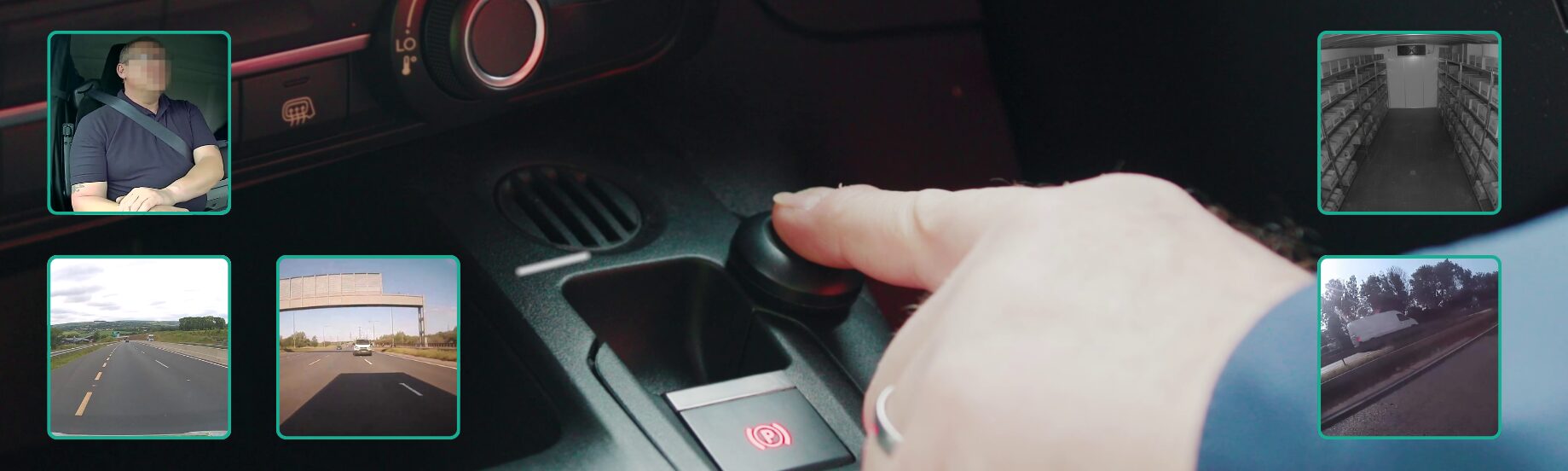
The panic button is designed to be simple, fast, and reliable — with no unnecessary complexity. The moment it’s pressed, the system activates recordings from every camera on the vehicle, including front, rear, side, cargo and driver-facing – depending on your configuration. This ensures that the full context of the situation is captured, even if the incident hasn’t fully unfolded yet.
At the same time, an instant alert is sent to fleet managers, complete with GPS coordinates and live access to video footage. This allows the fleet team to assess what’s happening in real time and take appropriate action, whether that means contacting the driver, alerting the police or emergency services, or dispatching nearby support.
This rapid-response is designed to protect both the driver and the business. It gives fleets immediate awareness of threats and provides secure, time-stamped evidence from the very moment the driver senses danger.
Preventing fraud and cargo theft
Fraudulent claims often hinge on the absence of clear evidence. Without video, telematics data, or driver documentation, insurers may assume liability simply because the commercial vehicle appears to be the “bigger” or “more insured” party. For criminals, this makes fleets appealing targets.
The panic button changes the dynamic entirely. When pressed, it captures irrefutable evidence that makes it extremely difficult for fraudsters to manufacture stories or falsify injuries. If a staged collision is about to occur, the system will already be recording the behavior leading up to it — the suspicious braking patterns, the erratic lane changes, or the positioning of secondary vehicles.
The same applies to cargo theft. In many cases, cameras can capture individuals approaching the vehicle, attempts to open doors or access cargo, or vehicles following closely for extended periods. With GPS and live alerts, fleet managers can act immediately, increasing the chance of stopping the theft or recovering the goods.
Delivering a duty-of-care to your drivers
Protecting your fleet isn’t just about safeguarding your vehicles — it’s about looking after the people who operate them. A panic button is a powerful demonstration of duty of care in action.
Drivers often work alone, in unpredictable environments, and under pressure to meet delivery schedules. Knowing that help is instantly available makes a significant difference to their wellbeing. For drivers who have previously experienced intimidation, road aggression, or attempted theft, that reassurance is invaluable.
The panic button also supports duty-of-care obligations by enabling rapid response during medical emergencies or breakdowns in unsafe areas. If a driver is unable to leave the vehicle or needs assistance immediately, the panic button ensures they’re never left waiting or hoping someone checks in.
Three real situations where a panic button makes all the difference
- Cargo theft prevention
A driver transporting high-value electronics notices a vehicle matching every lane change for several miles. Pressing the panic button gives the fleet team instant visibility. With live footage and GPS tracking, the suspicious vehicle can be reported — often stopping the theft before it escalates. - Driver protection from aggressive motorists
At a busy junction, a driver is confronted aggressively by another motorist after a minor incident. The panic button immediately captures evidence and documents the encounter, protecting the driver from false accusations and giving managers the information needed to intervene. - Fraudulent insurance claims
If a staged accident begins to unfold — a car brake-checking or attempting to cut in — pressing the panic button ensures the moments leading up to the incident are fully recorded. This evidence can be the key factor in defending the fleet from costly, fraudulent claims.
Why every fleet should consider the panic button essential
From crash-for-cash scams to cargo theft and driver intimidation, the risks facing commercial fleets are real — and increasing. Technology can’t prevent every situation from happening, but it can dramatically reduce the impact, protect your drivers, and safeguard your business.
The panic button is a small feature with enormous value. It captures the truth, supports your drivers when they need it most, and gives your fleet clear, time-stamped evidence from the very first moment something feels wrong.
If you want to strengthen safety, reduce claims, and protect both your people and your assets, the panic button is an essential part of your fleet technology toolkit. If it’s not already installed, talk to your CameraMatics rep today or drop us a line at [email protected]


