Fleet sustainability is quickly becoming a core part of running a modern, efficient business. With increasing government targets and the rising costs of traditional fuels, the move toward greener fleet operations is no longer optional—it’s already happening. But transitioning to a sustainable fleet isn’t as simple as flipping a switch. It requires planning, investment, and a thoughtful approach.
Sustainable fleet management is a total shift in how we look at our operations, It starts with a thorough fleet analysis to identify inefficiencies and areas of waste, followed by a realistic fleet rightsizing plan to ensure every vehicle is delivering real value.
For many organisations, fleet electrification is a long-term goal —but the journey to full decarbonisation can take time.
Whether you’re preparing for new compliance requirements or simply aiming to run a cleaner, more efficient fleet, this guide breaks down the practical, achievable steps to help you move forward with confidence.
Fleet optimisation: why efficiency is your first win
When the topic of fleet sustainability comes up, conversations often jump straight to the “shiny” solutions—new electric vans, charging infrastructure, or cutting‑edge telematics. But the reality is far simpler: the most sustainable mile is the one you don’t have to drive. And that’s where fleet optimisation delivers its biggest impact.
This means taking an honest look at your operational data to pinpoint where inefficiencies are hiding. Are you clocking unnecessary “ghost miles”? Do you have vehicles sitting idle for weeks at a time? This is the moment where fleet rightsizing becomes essential. It’s not about shrinking your fleet—it’s about shaping it so that every asset has a clear purpose and is actively contributing to operations.
By eliminating surplus vehicles and ensuring that each one is fit for its role, you’re doing far more than cutting costs. You’re building the foundation of a sustainable fleet strategy. It’s about maximising the value of the assets you already have, reducing avoidable mileage, and making sure every journey is intentional and efficient.
The road to zero: EV and alternative fuels
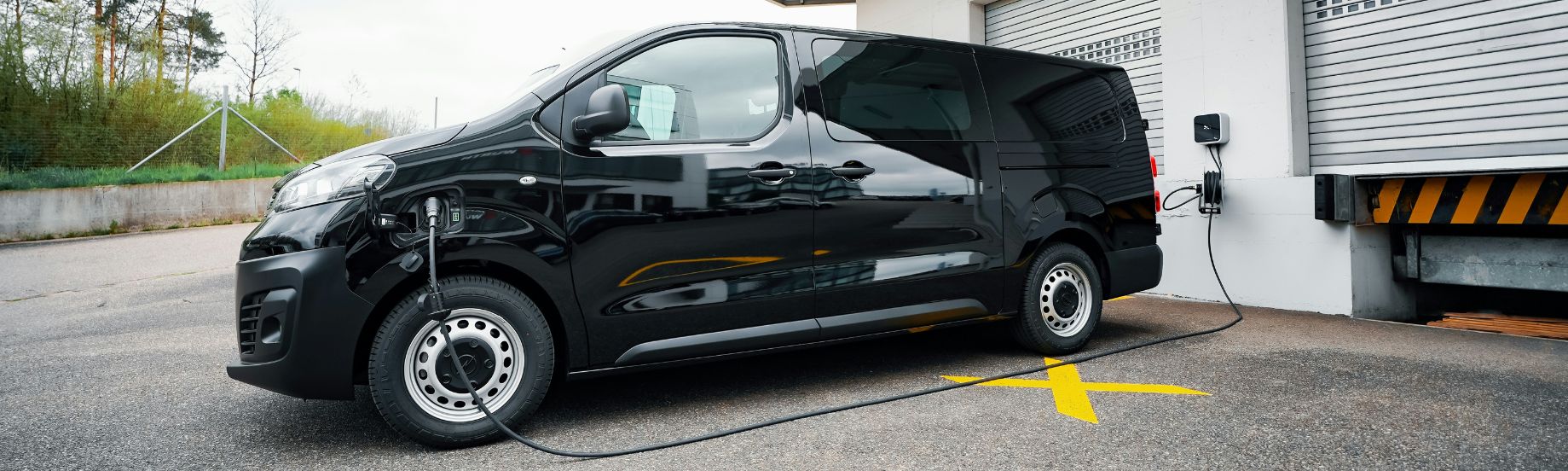
Once your fleet is running efficiently, the next major step is tackling the big one: the move away from the diesel pump. A solid fleet electrification strategy is high on everyone’s agenda, but it’s not as simple as buying a few electric vans and hoping for the best. EV fleet management brings its own challenges—from charging infrastructure to range anxiety to managing total cost of ownership.
But here’s the key point: fleet decarbonisation isn’t “all or nothing”. For many fleets, especially those doing heavy‑duty hauling or long‑distance work, full electrification might still be a bit down the road. That’s where smart fleet fuel management comes into play.
If you aren’t ready to go 100% electric today, you can still make major progress with alternative fuels. Most modern diesel engines can use HVO (Hydrotreated Vegetable Oil) as a direct “drop‑in” replacement with no engine modifications. Hydrogen fuel cells can also significantly cut emissions without requiring you to replace your entire fleet overnight.
Every fleet is different. What works for a last‑mile delivery team won’t suit a long‑haul operation, so the key is knowing your options and picking the transition that fit your business.
How fleet technology supports sustainability goals
If you’re still thinking of telematics as a way to see where your drivers are, you’re missing the bigger picture—it’s the engine room of your sustainability efforts.
Telematics data is where the real sustainability insights start. It’s far more than GPS points on a map — it shows you exactly how much fuel your vehicles are using, how long they’re idling, how efficiently they’re being driven, and even the health of the engine itself. When you use this data for predictive maintenance, you’re not just preventing a breakdown — you’re keeping vehicles running at peak efficiency. And a well‑maintained engine uses less fuel and emits less carbon. Simple.
Routing and dispatching software plays an equally vital role. Every unnecessary kilometre you remove from your operation is a win for both your budget and the planet. Less gridlock, fewer “scenic routes,” more direct journeys.
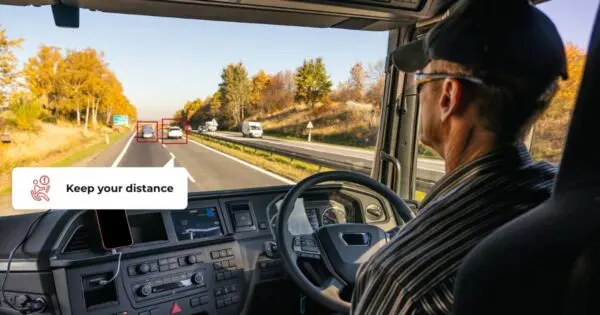
And then there’s AI‑powered cameras. You might wonder how they tie into sustainability, but the impact is bigger than you’d think. By detecting risky behaviour and preventing accidents before they happen, they help avoid the traffic jams, unnecessary idling, and wasted fuel that collisions cause. It’s safety and sustainability working hand‑in‑hand.
The human element: why your drivers are your secret weapon
You can invest heavily in fleet electrification and advanced technology, but real efficiency still depends on how your vehicles are driven. Driving habits like harsh braking, sharp cornering, excessive acceleration, and unnecessary idling can affect fuel economy by up to 30%, while also increasing emissions and vehicle wear.
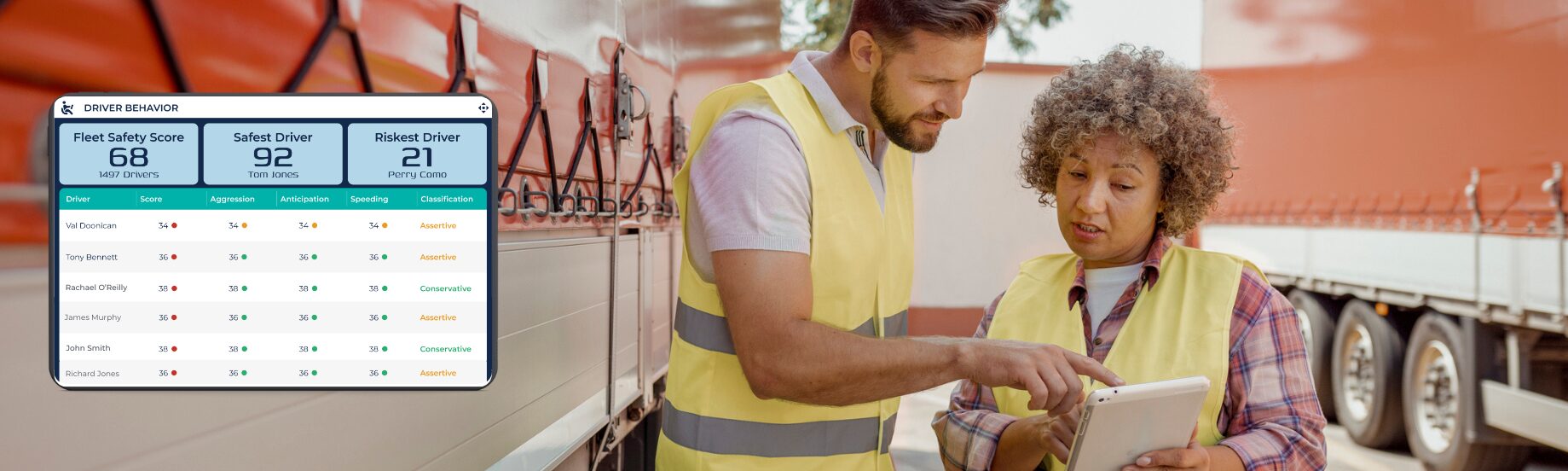
To tackle this, you need a structured approach to improving how your fleet is driven. Practical initiatives like eco‑driving training and idling‑reduction programmes give drivers the skills to operate vehicles more efficiently. Telematics then turns those behaviours into measurable, positive feedback.
With initiatives like driver scorecards that reward smoother driving, you can make sustainable habits something drivers actively aim for. When people understand the impact of their actions—and can see their progress—those improvements become consistent, and that’s when you start to see meaningful gains in fleet decarbonisation.
Compliance and ESG: keeping the house in order
ESG reporting is now a core part of doing business, with tighter government regulations and clients expecting transparent carbon‑footprint tracking. Green credentials are now a requirement in many industries.
If you’re bidding for major contracts, you’ll almost certainly be asked about your Scope 3 emissions — the indirect emissions across your supply chain. Having accurate green fleet management data isn’t just about avoiding penalties; it’s about proving your commitment to sustainability to partners, customers, and regulators.
When your reporting is accurate, transparent, and backed by solid telematics data, compliance stops being a chore and becomes a competitive advantage.
Conclusion
Fleet sustainability isn’t a future ambition — it’s a practical, measurable shift that fleets are making right now. Whether you’re beginning with a fleet management analysis, optimising vehicle utilisation, exploring alternative fuels, or building a long‑term fleet electrification strategy, every step contributes to a more efficient, lower‑emission operation.
With the right tools and the right partner to turn your telematics data into clear, actionable insights, improving fleet sustainability becomes a straightforward, achievable journey.
If you’re ready to understand exactly where your fleet stands — and what practical steps you can take next — talk to us today.