The driver shortage continues to impact fleets worldwide, but simply hiring more drivers isn’t solving the real problem.
In many regions, the rush to fill seats has led to minimal training, leaving new drivers underprepared for the realities of operating large vehicles on busy roads. The consequences are clear: rising accident rates, higher insurance premiums, increased vehicle downtime, and costly equipment damage.
Fleets face both a capacity shortage and a skills shortage. Experienced drivers are retiring faster than they can be replaced, and new entrants often arrive underprepared. Temporary fixes won’t solve this.
A practical two-part approach can help: provide drivers with personalised, continuous training, then reward the professional habits that follow. The result? Higher retention and safer, more efficient fleet operations.
Part one: closing the quality gap with continuous training
The challenge often starts at the gate. All new drivers must complete the required commercial driver qualification and initial training—whether that’s a CDL and ELDT in the U.S. or an HGV licence and Driver CPC in the UK—but meeting minimum standards on paper isn’t enough. Practical, on-road experience and familiarity with modern truck technology are essential. Continuous driver training treats the licence as just the starting point for a safer, more professional career path.
Technology changing the game
Driving a large truck today is very different from even a decade ago. Older trucks demanded intense manual effort—double-clutching gears, heavy steering, handbrakes—making every journey physically and technically challenging. Modern engineering has eased these demands, but the core skills remain: safely operating a vehicle weighing over 40 tonnes (or 40 tons) still requires focus, judgement, and professionalism.
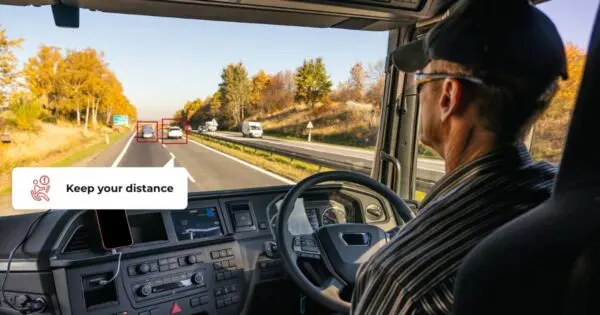
Technology doesn’t replace these fundamentals—it supports drivers. Advanced Driver Assistance Systems (ADAS) provide real-time alerts, telematics quietly track vehicle and driver performance, and AI-powered cameras enhance visibility, monitor blind spots, detect fatigue or distraction, and give drivers extra situational awareness.
The data collected isn’t just for monitoring—it powers personalised, continuous training. Insights from telematics and cameras allow fleets to coach drivers based on real behaviour, reinforcing safety, improving habits, and building confidence behind the wheel.
Personalised coaching and risk mitigation
Continuous training isn’t about generic videos—it’s data-driven and collaborative. Video telematics captures every relevant driving event, from tailgating and harsh braking to fatigue or distraction. In many cases, in-cab alerts help prevent incidents in the moment. But the real value comes from reviewing and learning from these events across the fleet.
Driver coaching allows fleet managers to flag important events, share them with team managers, add comments, and track the status of each coaching conversation. Managers can then review the footage with drivers, provide feedback, and record the outcome, ensuring lessons are learned and improvements applied.
This structured, organisation-wide approach allows fleets to close safety gaps, reinforce good habits, and optimise driving performance across teams—not just for individual drivers. By turning events into actionable insights, fleets can reduce risk, prevent accidents, and improve overall safety culture.
Part two: rewarding professional behaviour with performance incentives
Retaining skilled drivers isn’t just about pay—it’s also about recognition, support, and creating a culture that values professionalism. Driving is demanding, and unpredictable or poorly structured compensation is a top reason drivers leave. Replacing a driver can cost anywhere from £8000 – £12,000 so investing in a system that rewards skill, safety, and efficiency—not just distance driven—is both fair and smart business.
How performance-based compensation works
- Reward safe, efficient driving: Drivers are recognised for good driving behaviours—reducing harsh braking, avoiding sharp cornering, maintaining smooth acceleration, and minimising idling. This directly improves safety, fuel efficiency, and overall fleet performance.
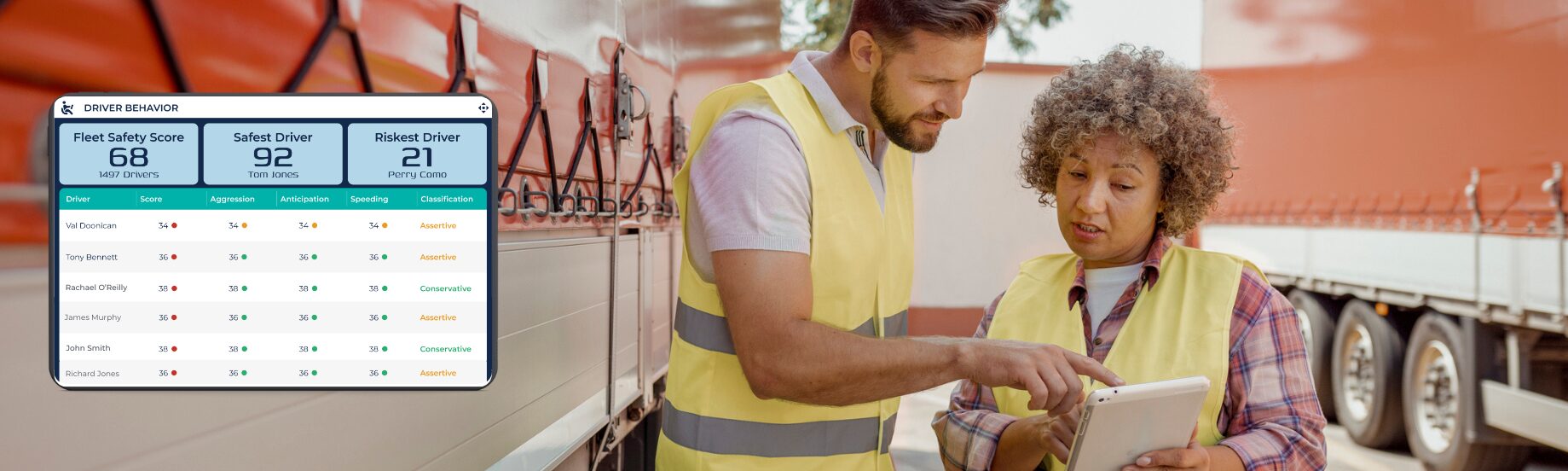
- Make achievements visible: Leaderboards and real-time performance feedback highlight top performers and show drivers how their actions impact the fleet. This transparency encourages friendly competition, reinforces good habits, and motivates drivers to consistently perform at their best.
Linking compensation to measurable performance retains top talent, reduces accidents, and lowers costs, while reinforcing a culture where professionalism and safety are recognised and rewarded.
Driver training + compensation = retention
When these elements are combined—continuous, data-driven training and performance-based pay—something powerful happens. Drivers get the support and guidance they need, their safer and more efficient performance is recognised and rewarded, and fleets see retention climb.
Proactive risk mitigation
This integrated approach doesn’t just improve training and rewards—it actively reduces risk. Fleets using video telematics have cut accidents and dangerous driving incidents by over 40%. Fleet managers can spot consistent high-risk behaviours and intervene with targeted coaching and policy enforcement, preventing minor issues from escalating. The result? A safer, more efficient fleet, lower insurance costs, and a stronger reputation—all while keeping skilled drivers motivated and recognised.
Ready to turn data into actionable insights—keeping drivers safe, engaged, and loyal. Talk to us today