
Truck drivers are the backbone of the global economy. Every day, they deliver the goods we rely on — from food on supermarket shelves to life‑saving medical supplies and the fuel that keeps our homes warm. Without them, every community, every business, and every family feels the impact.
While fleets invest heavily in vehicles, compliance, and logistics, truck driver health and wellbeing doesn’t always get the attention it deserves. Yet the pressures drivers face are significant. Long hours behind the wheel, tight schedules, isolation, and the constant weight of responsibility all take a toll.
Supporting driver wellbeing isn’t just about passing a medical or renewing a licence. It’s about recognising the physical, mental, and emotional demands of the job — and taking practical steps to help drivers stay safe, healthy, and able to perform at their best.
Here are six key areas where fleets can make a meaningful difference.

1. Manage driver fatigue and improve rest
Fatigue is one of the most common risks drivers face. Nearly one third of truck drivers report chronic sleep deprivation (ATRI), and Royal Society for the Prevention of Accidents estimates that up to 20% of fatal road collisions in Europe involve fatigue. When you consider the long hours and demanding schedules drivers work, it’s clear why fatigue needs more than a passing mention — it needs active management.
Fleets can help by planning balanced routes and schedules that avoid long consecutive driving hours and allow for breaks between jobs. Introducing movement breaks, even short walks or stretches, helps drivers stay alert and reduces the physical strain of sitting for hours.
Fatigue isn’t just about how many hours a driver has been on the road. Night‑time driving carries higher risks, and conditions like sleep apnoea — which is often undiagnosed — can make tiredness far more severe. Supportive in‑cab alerts and simple guidance on sleep routines can help drivers recognise fatigue early and take breaks before it leads to a dangerous situation.
2. Support driver mental health
Mental health is a critical part of overall wellbeing. Most of us know someone who has struggled at some point — whether that’s stress, depression, anxiety, or something more serious. In the wider UK workforce, stress, depression, or anxiety accounted for 51% of all work‑related ill‑health cases in 2020/21. To put that into perspective, that’s one in every two people.
And the transport sector is no different. According to NIOSH, 27% of truck drivers report experiencing depression — and realistically, that number is likely higher, because many people simply don’t talk about it.
A good starting point is creating an environment where it’s normal to talk about mental health.
Training managers to spot early signs of burnout and encouraging open conversations helps drivers feel heard and supported. Reducing stigma — and making it clear that it’s okay to ask for help or request a shift change — can make a real difference to both wellbeing and safety.
Practical support matters too. Access to counselling or helplines, peer‑support programmes, and post‑incident check‑ins all help drivers manage stress. Long periods away from family can lead to isolation, so simple policies like encouraging hands‑free video calls during breaks or designing schedules that allow regular home time can have a big impact.
Creating a culture where drivers feel comfortable speaking up is the first step — and often the most important one.
3. Strengthen physical health of drivers
Physical health is just as important as mental health, and for drivers it can be a real challenge. Long hours sitting, irregular breaks, and limited food options all make it harder to stay healthy.
It’s no surprise that conditions like high blood pressure, diabetes, and heart disease are more common among professional drivers. Globally, around 589 million adults are living with diabetes (International Diabetes Federation) — a condition that needs careful management, especially for anyone spending long hours on the road. Physical health directly affects reaction times, alertness, and decision‑making, so it has a clear impact on safety too.
AI‑powered technology can also support physical health in ways people don’t always expect. Along with providing real‑time alerts on the road, these systems can detect consistent fatigue patterns. When fleets investigate those patterns, they often uncover underlying health issues such as high blood pressure or diabetes — giving drivers the chance to get checked before something becomes serious.
That’s why regular truck‑driver health checks matter. They help catch issues early and give drivers a better chance of managing conditions before they escalate. Fleets can also support drivers by building short movement breaks into schedules — even five minutes between jobs to stretch or walk around can make a real difference after hours of sitting.
Eating well is another challenge. Many routes offer little more than fast food or high‑salt meals. Practical supports like portable fridges, slow cookers, or a small meal‑prep allowance can make healthier choices possible and far more realistic for drivers. Hydration is another overlooked issue — drivers often avoid drinking water because they don’t know when they’ll next have access to a toilet, so planning reliable break points helps here too.
Access to affordable healthcare also plays a role in long‑term wellbeing. Offering health insurance or subsidised medical checks can help drivers stay on top of conditions before they become serious, especially for those managing chronic issues like diabetes or high blood pressure.
Supporting physical health doesn’t need to be complicated. It’s about giving drivers realistic ways to feel better, stay alert, and stay safe on the road.
4. Improve road safety and driver confidence
Accidents — or even the thought of them — are a major source of stress for drivers. Navigating tight delivery zones, busy streets, and long routes under time pressure can weigh heavily on mental health.
Some of the most stressful moments happen off the road, at delivery sites. Long waits, limited access to toilets, and tight loading windows can heighten anxiety. Fleets can advocate for drivers by partnering with facilities that provide clean amenities and respect scheduled delivery times.
Safety can also be supported through technology that increases situational awareness, such as cameras in blind spots, AI‑powered risk detection, or interactive training programmes that reinforce safe driving practices.
And when an incident does happen, drivers need to know they’re protected. Clear video evidence and simple, structured accident‑reporting workflows remove the fear of false claims and ensure all details are captured accurately and efficiently.
When drivers feel supported — both in everyday situations and in the moments that matter — their confidence grows, their stress drops, and their focus on the road improves.
5. Reduce security‑related stress for drivers
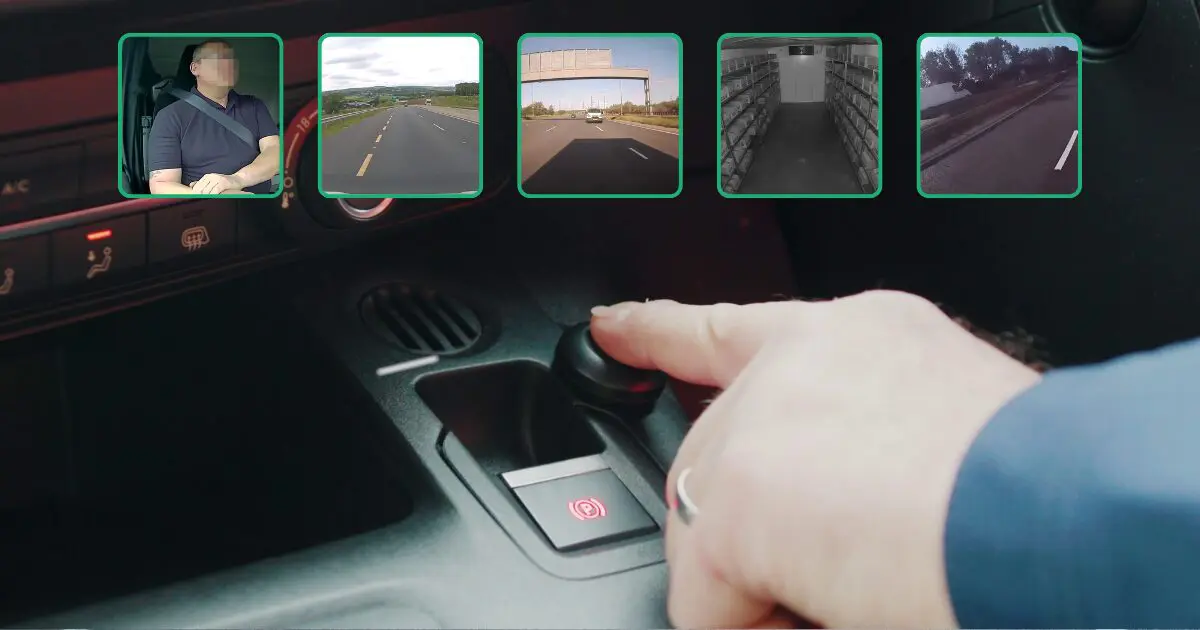
Security issues like cargo theft, tampering, or fraudulent claims can add unnecessary stress to a driver’s day. Tools such as in‑cab panic buttons — which trigger instant recording from every camera — and cargo‑monitoring systems help drivers feel safer and less exposed. Clear, simple post‑incident workflows also remove uncertainty and ensure events are handled quickly and fairly.
It’s important that drivers see this technology as support, not surveillance. When they understand that these tools exist to protect them and back them up in difficult situations, it reduces stress and builds confidence on the road.
6. Streamline admin so drivers can focus on the road
Administrative tasks — vehicle checks, pre‑ and post‑trip reports, and compliance paperwork — add extra mental load to an already demanding job. When drivers feel buried in forms and documentation, it affects focus, increases stress, and takes time away from what they’re actually there to do.
Streamlining these tasks with simple workflows and intuitive tools makes a real difference. Automating hours‑of‑service reporting, digitising routine checks, and reducing repetitive paperwork helps drivers stay organised without feeling overwhelmed. The less time spent on admin, the more headspace drivers have to concentrate on the road.
Supporting driver wellbeing benefits everyone
Truck drivers keep goods moving and communities supplied. Their wellbeing directly affects safety, reliability, and retention.
When fleets actively address fatigue, health risks, operational pressures and post-incident stress, they don’t just support drivers — they strengthen performance across the entire operation.
Healthy, supported drivers make for safer, more reliable fleets.