Cargo theft is making headlines again. FreightWaves recently reported that one of the largest third-party logistics providers in the world, suffered losses exceeding $18.3 million in high-value electronics across multiple incidents in the past year. The figure is staggering—but sadly, it is far from isolated.
Across North America, cargo theft rose by 27% in 2024, with losses topping $455 million. Warehouses, unsecured yards, and opportunistic roadside stops remain prime targets for criminals, who know exactly where vulnerabilities lie.
This is not about pointing fingers at individuals, these high-profile incidents highlight a serious problem affecting the entire logistics industry. The question is no longer whether theft will occur, but whether logistics providers have robust cargo theft prevention systems and can respond immediately when it happens.
Why cargo theft happens — and how criminals exploit weak spots
Thieves have grown increasingly sophisticated. While traditional tactics—like breaking into stationary trucks or siphoning fuel—still occur, organised crime rings are now exploiting more complex vulnerabilities, including fictitious pickups, double brokering, and falsified documents.
Common weak spots include:
- Loads outsourced to unvetted carriers – leaving the door open for illegitimate pickups.
- Trailers parked in unsecured yards – easy targets for opportunistic theft.
- Pick-ups without robust verification or documentation – creating opportunities for fraud and double brokering.
- Vehicles and cargo left unattended in poorly secured areas – increasing the risk of opportunistic theft.
- Insufficient driver verification and training – allowing criminals to impersonate legitimate personnel.
- Limited oversight of GPS trackers or security technology – reducing the ability to detect and respond to theft quickly.
Each of these gaps creates ideal conditions for crime. Without strong processes and technology, thieves can exploit weaknesses rapidly and at scale.
4 practical steps for cargo theft prevention:
Crime can’t be eliminated by technology alone, but the right combination of visibility, process, and driver support can make theft far more difficult.
1. Strengthen visibility with GPS and asset tracking
Live GPS tracking and geofencing alert managers the moment a vehicle strays from its approved route or enters a high-risk area. Regular automated location pings from asset trackers maintain accountability, while recording full trips and stops ensures managers know exactly when and where every asset is. These measures are critical not only for overall cargo theft prevention but also for specifically preventing trailer theft, one of the most common and costly risks in logistics.
2. Protect drivers and cargo with 360-degree cameras and panic buttons
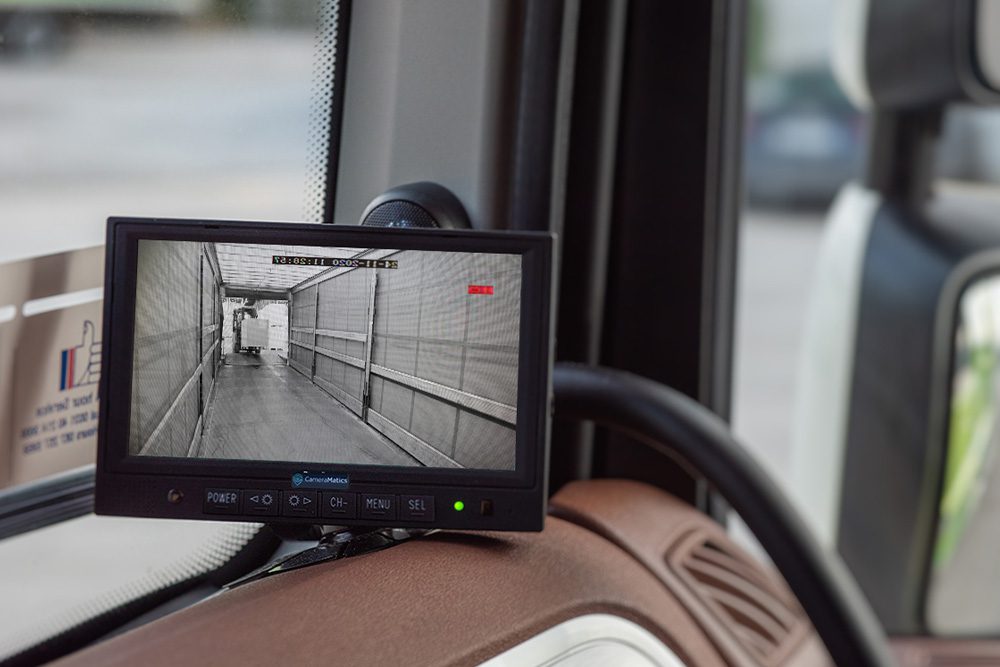
Many thefts occur when vehicles are stationary, or drivers are vulnerable. 360-degree cameras give drivers complete awareness while capturing evidence if incidents occur. Low-light and infrared technology ensure reliable footage even in darkness.
Panic buttons add an extra layer of protection: a single press triggers instant recording from all cameras, captures telematics data, and alerts fleet managers immediately.
3. Secure high-value pick-ups with digital workflows and asset management
Some incidents involve loads being released without thorough checks. Customisable digital workflows on mobile devices close these gaps. Step-by-step digital verifications—including driver ID, vehicle registration, authorisation codes, photos, and digital signatures—create time-stamped, auditable records. Criminals posing as legitimate carriers face much higher barriers.
4. Maintain GPS visibility in low-signal zones
Criminals often target “dead zones” with weak mobile coverage. Multi-network support ensures vehicles, trailers, and assets remain connected, keeping GPS tracking and data flowing even in challenging areas.
Lessons from recent cargo theft incidents
Organised crime continues to exploit weak points in supply chains. Unsecured yards, gaps in verification processes, and insufficient documentation create vulnerabilities that could affect any logistics provider.
The lesson is clear: the threat is evolving. Combining strong security policies with digital technology—such as 360-degree cameras, GPS trackers, and asset tracking devices—enables operators to shift from reactive responses to proactive prevention.
Cargo theft won’t stop—but you can stay ahead
Cargo theft isn’t going away, but its impact can be mitigated. Every stolen truck or trailer represents more than a financial loss—it’s a blow to customer trust, driver safety, and brand reputation.
Investing in stronger visibility, secure pick-up processes, and driver support doesn’t eliminate risk, but it raises the bar significantly: theft becomes harder to execute, faster to detect, and easier to investigate.
The message for logistics providers is clear: closing the gaps in your supply chain is no longer optional. Prevention must become a priority.
Stay ahead of fraud and theft. Watch our free webinar, ‘Fraud & Theft: 5 Ways to Safeguard Your Supply Chain,’ and discover practical strategies to protect your cargo and fleet.