Cargo theft continues to be a major challenge for the logistics industry, and the latest figures show the threat is far from slowing down.
According to the National Vehicle Crime Intelligence Service (NaVCIS), there were 3,424 reported incidents of HGV cargo crime in 2025, equivalent to nine incidents every day across the UK.
The reported cost-price loss value reached £65.1 million, although experts believe the true economic impact is likely to be significantly higher when factors such as insurance premiums, vehicle damage, reputational harm, late delivery penalties, policing costs, and court cases are taken into account.
More than half of all reported incidents (54%) occurred at independent parking locations such as industrial estates and lay-bys, while a further 20% took place at motorway service stations. The most affected regions included the West Midlands, East Yorkshire and Humberside, the South East, and the East Midlands.
This isn’t about pointing fingers at individual areas. These incidents highlight a growing challenge facing the entire logistics sector. The question is no longer whether cargo theft will occur, but whether fleet operators have the visibility, processes, and technology needed to prevent incidents and respond quickly when they happen.
Why cargo theft happens and how criminals exploit weak spots
Cargo criminals are becoming increasingly sophisticated. While traditional methods still occur, organised criminal gangs are now exploiting weaknesses across the supply chain using tactics such as trailer hook-up thefts, curtain slashing, bogus collections, load fraud, and thefts from unsecured parking locations.
NaVCIS describes freight crime as a low-risk, high-reward activity for organised criminal networks, with many incidents involving planning, intelligence gathering, and targeted operations against specific goods and locations.
Common weak spots include:
- Loads outsourced to unvetted carriers, creating opportunities for fraudulent collections.
- Trailers parked in unsecured yards, industrial estates, and lay-bys.
- Pick-ups completed without robust verification or documented authorisation checks.
- Poorly secured sites with limited staffing, particularly during evenings and weekends.
- Weak oversight of digital communications, leaving businesses vulnerable to load fraud.
- Vehicles and cargo left unattended in high-risk locations.
- Limited GPS tracking, geofencing, and asset visibility.
- Insufficient driver verification and security awareness training.
Each of these gaps creates opportunities for criminals to exploit weaknesses quickly and at scale.
The theft methods operators need to watch
The latest NaVCIS data highlights the variety of techniques being used by cargo criminals.
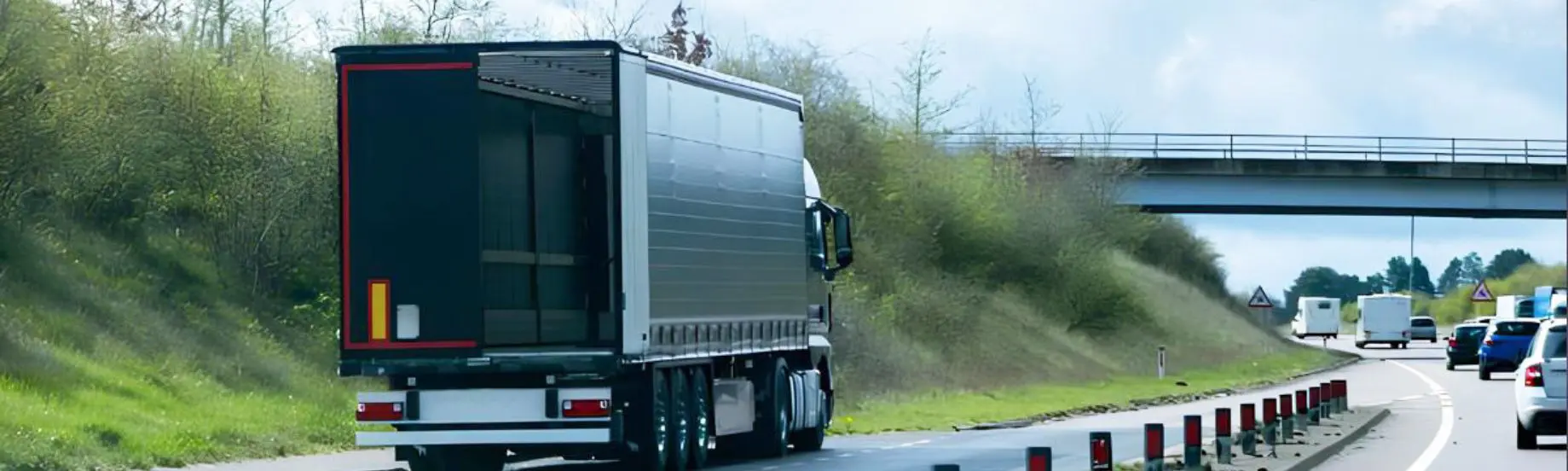
Curtain slashing remained the most common method, accounting for 915 incidents, or almost 27% of all reported cargo crime. These incidents often occur overnight when vehicles are parked in vulnerable locations.
Trailer hook-up thefts accounted for 176 reported incidents. In these cases, criminals clone legitimate tractor units, enter poorly secured yards, and remove loaded trailers before anyone notices.
Jump-up thefts resulted in 120 reported incidents, with thieves gaining access to loads while vehicles are stationary or moving slowly in traffic.
NaVCIS also recorded 22 cases of moving cargo or “rollover” thefts, where offenders target lorries carrying high-value goods such as mobile phones, laptops, and electronics.
Another growing concern is load fraud, sometimes known as a bogus collection. These incidents typically involve criminals intercepting communications or impersonating authorised carriers, allowing them to collect freight using falsified driver details, vehicle registrations, or collection instructions.
These increasingly sophisticated methods demonstrate how cargo theft is evolving beyond opportunistic crime and becoming a broader supply chain security issue.
Four practical steps to prevent cargo theft
Technology alone cannot eliminate cargo theft, but combining visibility, robust processes, and driver support can significantly reduce risk.
1. Strengthen visibility with GPS and asset tracking
Live GPS tracking and geofencing help operators identify potential issues the moment a vehicle deviates from its approved route or enters a high-risk area.
Tracking trucks and trailers separately is equally important. While vehicle tracking provides real-time visibility of driver movements and route compliance, dedicated trailer and asset tracking ensures operators can continue monitoring valuable equipment even when it is detached from the tractor unit. This additional layer of visibility is particularly valuable in preventing trailer hook-up thefts, where criminals target parked trailers and remove them using cloned or stolen tractor units.
Regular location updates from asset trackers maintain accountability throughout a journey, while complete records of trips, stops, trailer movements, and dwell times provide valuable operational oversight. Geofence alerts can immediately notify managers if a trailer leaves an authorised yard, depot, customer site, or parking location without approval.
These measures are critical not only for cargo theft prevention but also for reducing the risk of trailer theft, one of the most common and costly forms of freight crime. By maintaining visibility of both vehicles and trailers, operators can respond quicker to suspicious activity and improve the chances of recovering stolen assets.
2. Protect drivers and cargo with 360-degree cameras and panic buttons
As cargo criminals continue to target vulnerable vehicles and loads, visibility remains one of the most effective deterrents.
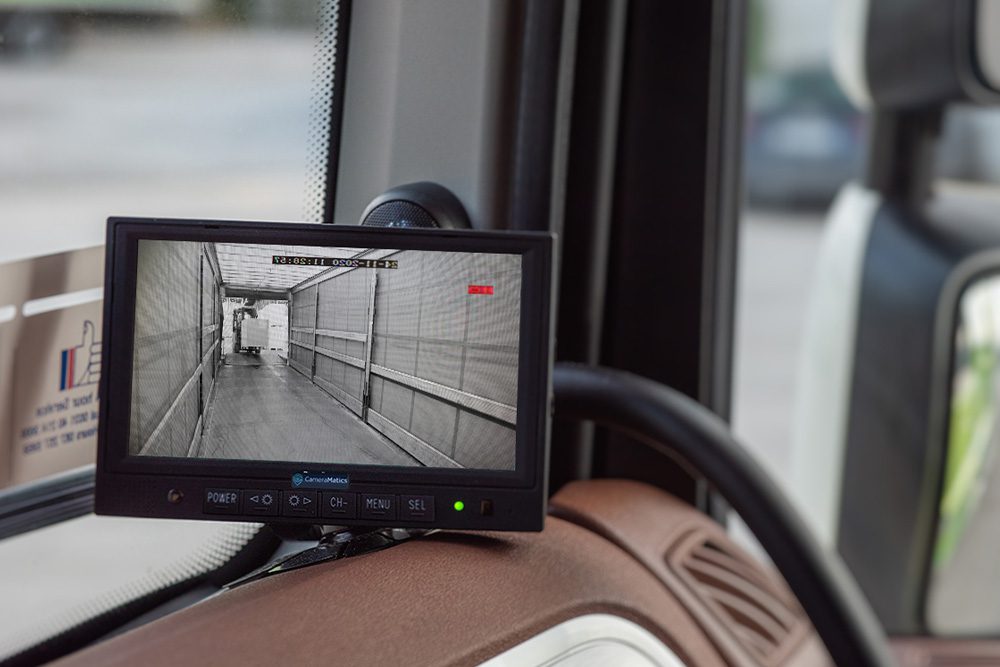
360-degree camera systems help operators maintain awareness around vehicles and trailers while creating a clear record of events if an incident occurs. Low-light and infrared technology ensure reliable footage around the clock, helping operators maintain visibility during overnight stops and in poorly lit locations.
Panic buttons provide an additional layer of protection, enabling drivers to discreetly raise the alarm when suspicious activity or a security incident is identified. At the press of a button, operators can trigger immediate recording from all cameras, capture key telematics data, and alert fleet managers in real time.
Combined with GPS tracking, asset visibility, and robust security procedures, these tools help operators detect incidents faster, support investigations, and strengthen overall cargo security.
3. Secure high-value pick-ups with digital workflows and asset management
As highlighted by the rise in bogus collections and load fraud, not all cargo theft involves forced entry or stolen trailers. Increasingly, criminals are exploiting weaknesses in collection and verification processes to obtain loads using false identities or altered collection details.
Digital checklists help close these gaps by creating structured, auditable collection processes. Driver identification checks, vehicle registration verification, authorisation codes, photographs, digital signatures, and time-stamped records provide a clear chain of custody for every load.
By introducing stronger verification procedures, operators can significantly reduce opportunities for criminals to impersonate legitimate carriers, while ensuring every collection is supported by a complete and verifiable audit trail.
4. Maintain GPS visibility in low-signal zones
Maintaining visibility across vehicles, trailers, and assets is critical when responding to potential theft incidents. Gaps in connectivity can create blind spots, reducing the ability to monitor movements and verify asset locations in real time.
Multi-network connectivity helps maintain reliable communications for vehicles, trailers, and assets, ensuring GPS tracking and operational data continue to flow even in challenging coverage areas. This continuous visibility supports faster decision-making and helps operators respond more effectively if an asset moves unexpectedly or leaves an authorised location.
By reducing connectivity blind spots, operators can strengthen asset security, improve tracking reliability, and maintain greater control throughout the journey.
Secure parking remains a critical defence
One of the clearest findings from the latest NaVCIS report is the relationship between cargo crime and parking locations.
With more than half of all reported incidents occurring at independent parking sites and a further 20% taking place at motorway service stations, secure parking remains one of the most effective measures available to operators.
Using secure, monitored parking facilities, implementing geofenced alerts around key locations, and ensuring drivers follow approved parking policies can significantly reduce exposure to theft.
Combined with real-time tracking and vehicle monitoring, secure parking forms a critical part of an effective cargo security strategy.
Lessons from the latest cargo crime data
The latest figures reinforce a simple reality: organised criminal groups continue to exploit vulnerabilities throughout the supply chain.
Whether through curtain slashing at motorway service areas, trailer hook-up thefts from insecure yards, or sophisticated load fraud schemes, criminals are constantly adapting their methods.
The data also reveals predictable patterns. Certain regions remain persistent hotspots, while high-value consumer goods, electronics, alcohol, and seasonal products continue to attract criminal attention.
There is no single solution to cargo theft. Effective prevention requires a combination of everything we just discussed.
And technology alone is not a silver bullet, but it acts as a deterrent and gives operators the tools they need to detect risks earlier, respond faster, and reduce opportunities for criminals.
Cargo theft won’t stop, but you can stay ahead
Cargo theft isn’t going away, but its impact can be reduced.
Every stolen truck or trailer represents more than a financial loss. It’s a blow to customer trust, driver safety, operational efficiency, and brand reputation.
The latest NaVCIS figures show that organised criminal gangs continue to target vulnerable supply chains across the UK, making prevention more important than ever.
Watch our free webinar, “Fraud & Theft: 5 Ways to Safeguard Your Supply Chain”, to learn practical strategies for improving fleet visibility, strengthening security processes, and reducing the risk of theft and fraud across your operation.