Recovery drivers often work on high-speed motorways or busy urban streets packed with traffic, pedestrians, and unpredictable hazards. One small mistake can lead to serious accidents, costly downtime, and complex insurance claims.
We see the headlines every day: another major incident, another motorway closure — and most of the vehicles involved require breakdown recovery or roadside assistance. Incidents involving towed vehicles are on the rise, highlighting just how critical safety, visibility, and operational control have become for recovery operators.
And it’s not just roadside risk. Rising insurance premiums, false claims, tighter compliance rules, fuel costs, vehicle wear and tear, and the sheer unpredictability of each job all put pressure on margins.
With the right technology in place, however, these challenges can be managed — and even turned into opportunities.
GPS tracking and telematics: full fleet visibility
Real-time GPS tracking is essential for recovery operators of all sizes. Knowing where every vehicle is at any given moment allows for faster dispatch, accurate ETAs for customers, and smarter route planning.
And with full fleet visibility, operators can spot inefficiencies, optimise vehicle use, and prevent costly mistakes — like sending a heavy-duty wrecker to a job a flatbed could handle. Right-sizing your fleet ensures each vehicle matches the job, reducing fuel costs, cutting emissions, and extending asset life.
Cameras on recovery vehicles: protect drivers, prevent claims
While tracking shows you where trucks are, cameras show you what’s happening on the ground. Recovery vehicles operate in tight, unpredictable spaces where blind spots are a constant hazard.
Multi camera dashcams covering the tow hitch and flatbed give drivers the visibility they need to manoeuvre safely, avoid collisions, and capture every critical moment during loading, unloading and transit.
High-definition footage provides an objective record for incidents or disputes, which is invaluable in an industry prone to claims and false accusations. With reliable evidence at their fingertips, operators can reduce insurance costs, minimise downtime, and resolve incidents faster.
“The CameraMatics camera system is much better than our previous supplier. Our drivers are happy to have cameras on their trucks. They understand it protects them, and the footage can also be used for ongoing training.”
— Mike Stone, Stonies Auto & Towing
This dual benefit — protecting your business while supporting drivers in challenging conditions — makes multi-camera systems a smart investment.
Smart monitoring and coaching: support in real time
Technology doesn’t just record incidents — it helps prevent them. AI-powered driver monitoring supports drivers during long shifts by detecting signs of fatigue, distraction, or risky behaviour and triggering alerts in real time to prevent any accidents.
When incidents or near-misses do occur, footage combined with telematics data becomes a driver coaching tool. Fleet managers can show the recovery drivers exactly what happened and how to prevent it next time. This builds a culture of safety, learning, and trust — helping drivers perform with confidence, benefiting the entire business.
Claim management: less admin, more control
Recovery businesses are often exposed to a high volume of insurance claims — from minor damage to outright false accusations. Managing these claims can be time-consuming, costly, and stressful.
With integrated camera footage and telematics data, fleet managers have instant access to clear evidence when you need it. No chasing footage or relying on incomplete information — everything is securely stored and easily accessible.
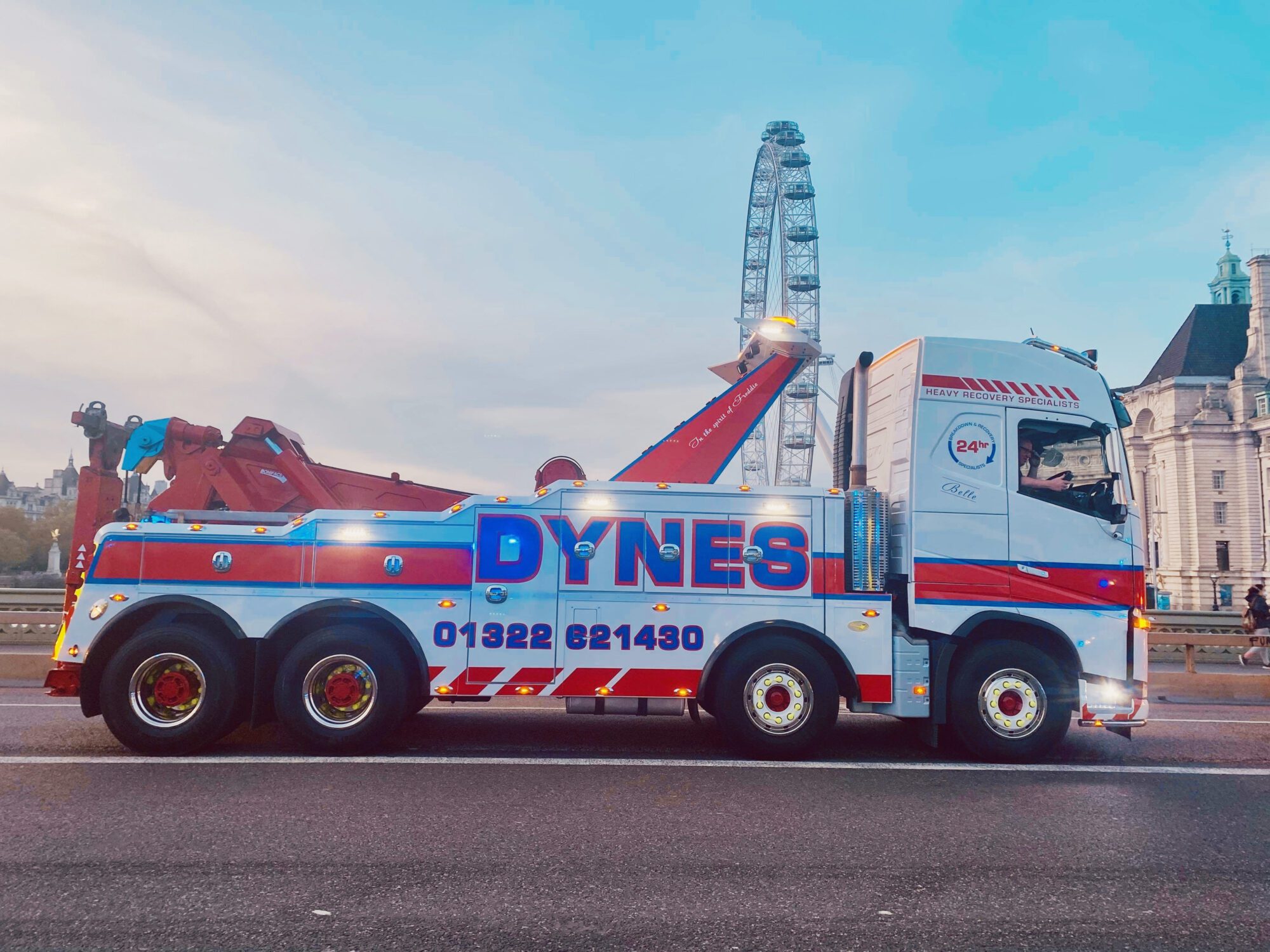
“Thanks to CameraMatics we have experienced an overall improvement in how we handle claims and more importantly a reduction in the cost of payouts.” Dynes Motor Group
This transparency not only reduces claim costs but can strengthen relationships with insurers and help lower premiums over time.
Compliance without the headaches
Staying compliant means managing vehicle checks, driver hours, safety inspections, and documentation. Manual processes are slow and prone to error.
With the right systems, much of this can be automated. From daily walkaround checks of recovery vehicles to logging driver activity and tachograph hours, operators can cut administrative burden, reduce errors, and stay audit-ready at all times.
Fewer surprises. Lower costs. Safer drivers.
Recovery work leaves no room for mistakes.
CameraMatics gives you full visibility over your fleet — cameras, GPS, driver monitoring, and compliance in one place.
Fewer incidents, faster claims, lower costs, and drivers who get home safe every day. See the difference for yourself — book a demo today